Taiwanese vs Japanese vs Cantonese Mahjong: Full Comparison
Compare Taiwanese, Japanese Riichi, and Cantonese Mahjong by hand size, winning structure, flowers, tai, fan, yaku, furiten, dora, calls, and strategy.
Product brand · knowledge studio
Loophly builds small, practical software and turns the knowledge behind each product into verifiable, actionable answers.
We begin with real friction: a mind that will not stop, scattered information, software that asks too much. We clarify the problem, then build an easy, attention-respecting way forward.
ZzzDeck applies the Cognitive Shuffle idea through random words, optional speech, ambient sound, and a sleep timer. It is free, requires no account, and runs in your browser.
See how ZzzDeck works →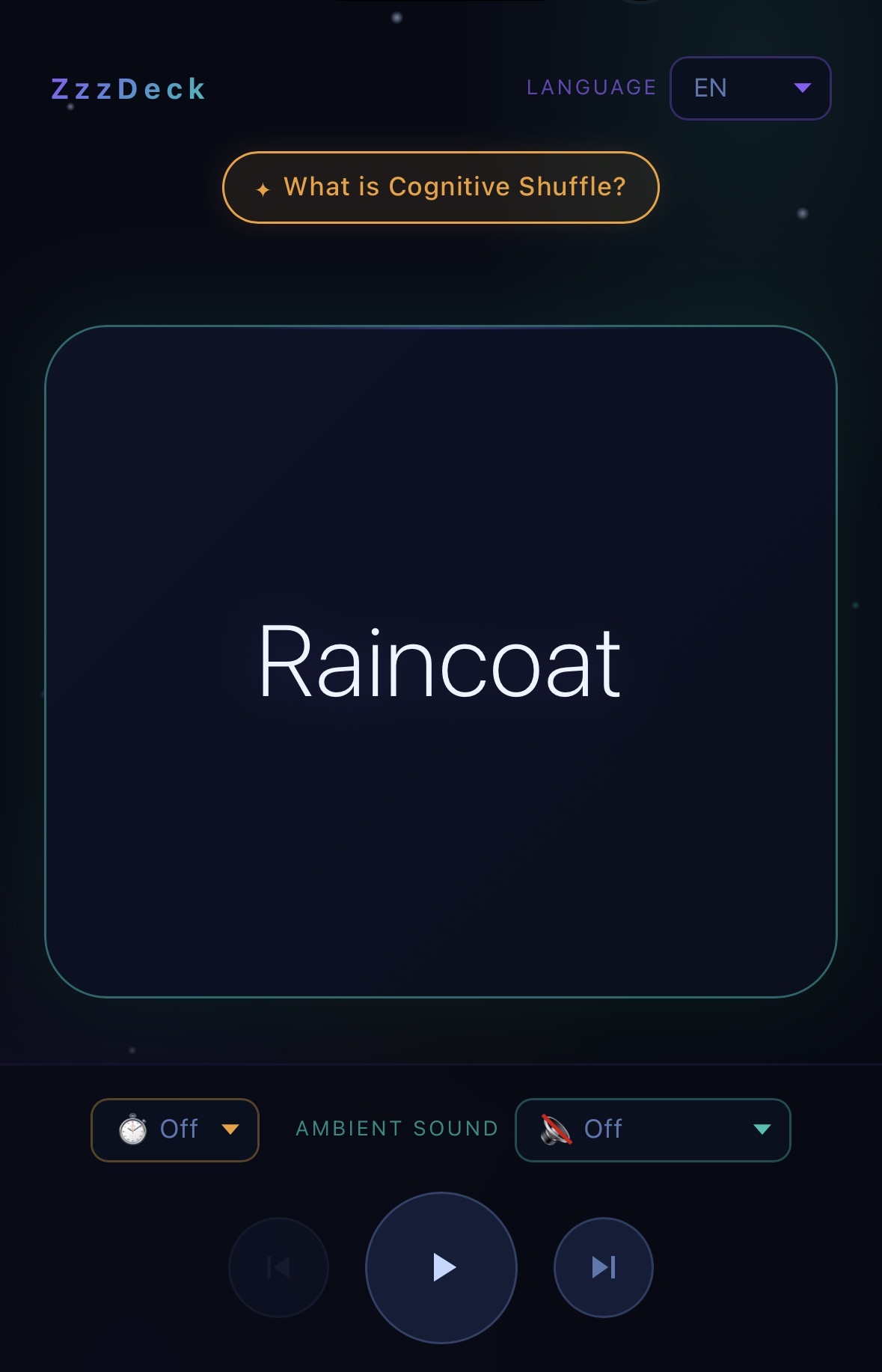
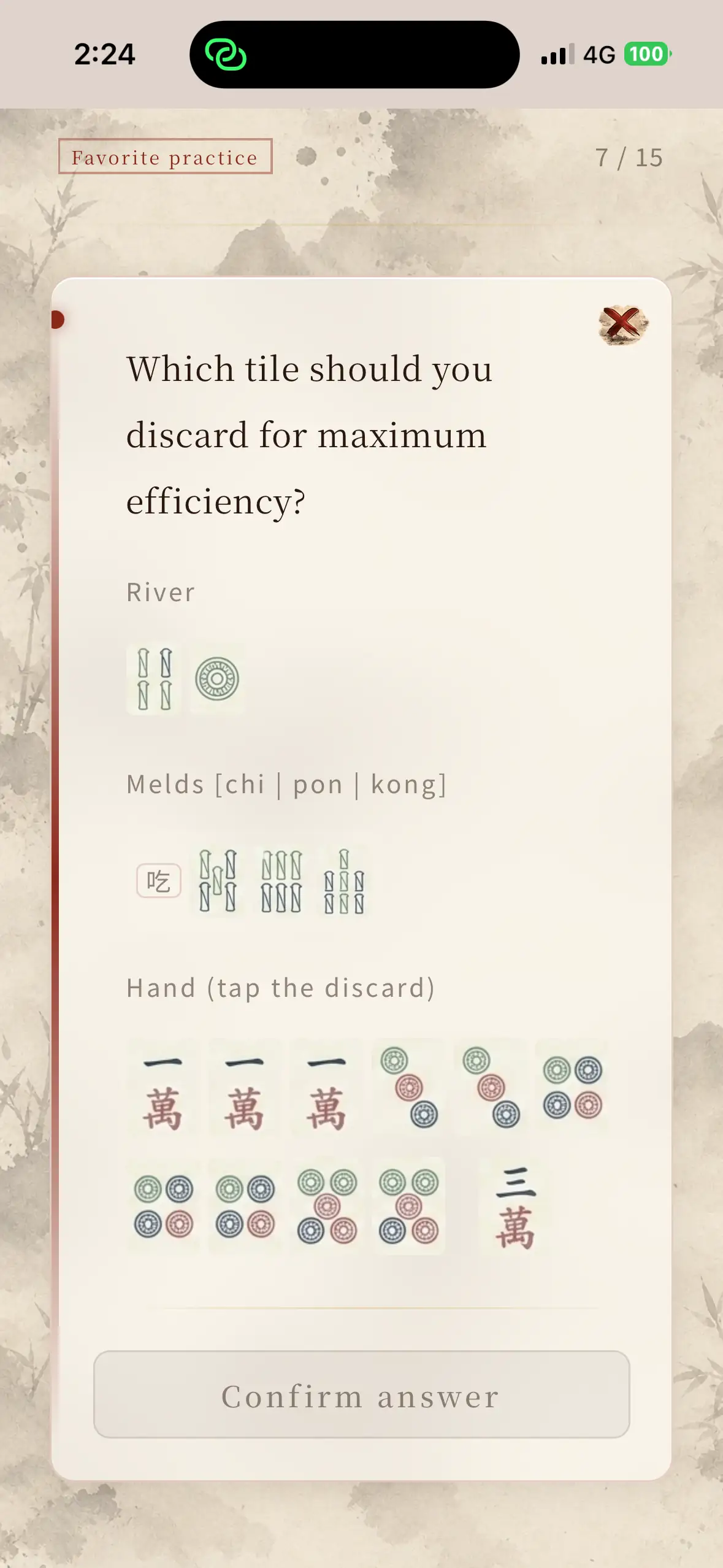
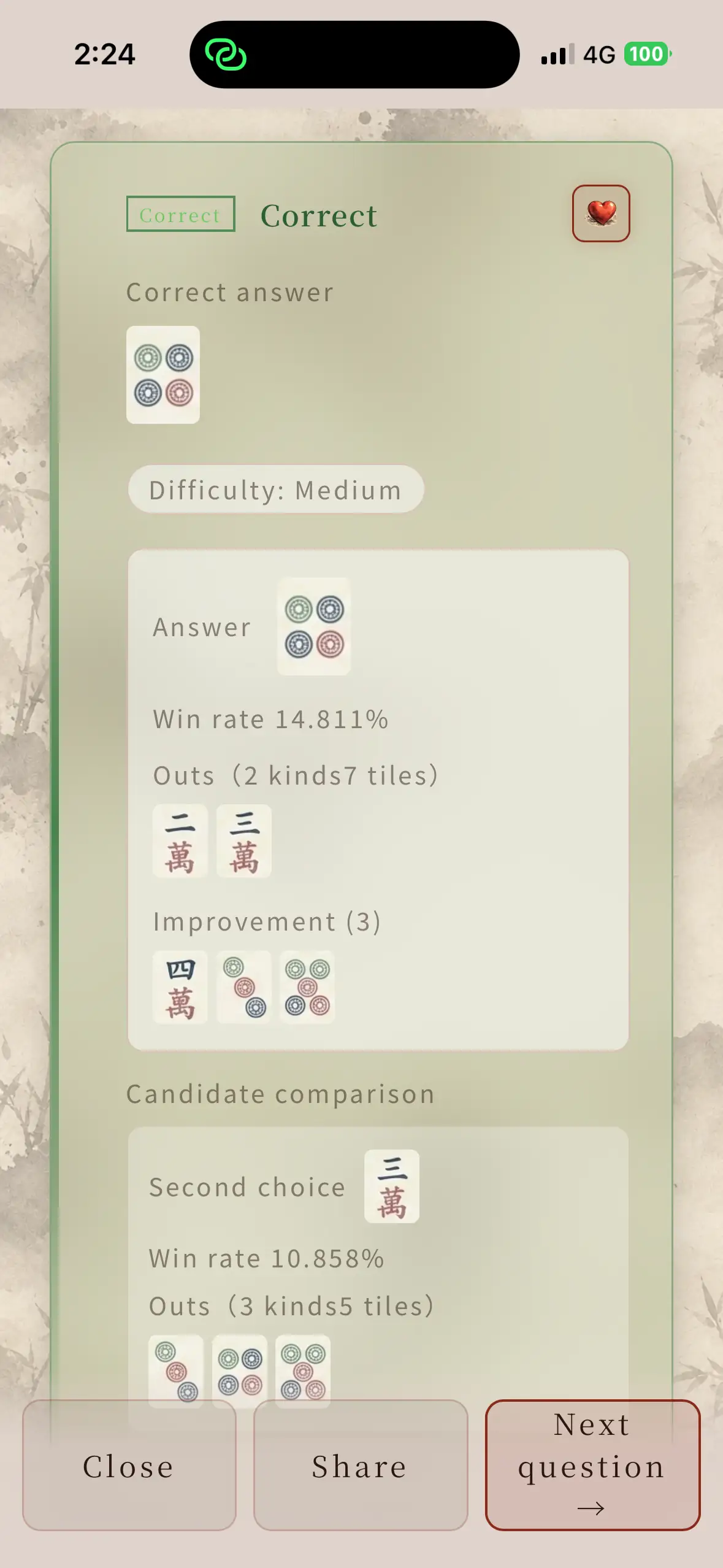
Tingpai Lab combines tile-efficiency questions, candidate comparisons, and explanations so new players can build a process and experienced players can keep challenging complex hands.
See how Tingpai Lab trains decisions →Every article answers the question first, then explains evidence, limitations, and practical steps. Health content is written by Willie Y. as a developer and research curator, not a medical professional.
Compare Taiwanese, Japanese Riichi, and Cantonese Mahjong by hand size, winning structure, flowers, tai, fan, yaku, furiten, dora, calls, and strategy.
Decide when to chow or pung through four checks—winning eligibility, speed, value, and defense—across Taiwanese, Japanese, and Cantonese Mahjong.
Use meld capacity, the pair, and effective draws to identify excess blocks, weak shapes, adjacent pairs, and overlapping acceptance in 13- and 16-tile hands.
Another everyday tool is taking shape.